Yes, you can live in Spain permanently. After five years of continuous legal residence, non-EU nationals, including U.S. citizens, can apply for Spanish permanent residence, officially called long-term residence (residencia de larga duración). Once you have it, you no longer need to renew your permit or prove income and insurance, and you can work freely in Spain. This guide lists the requirements for permanent residency in Spain and the number of years it takes, how absences are counted, the cases where you can apply before five years, what changes after approval, how you can lose the status, how it differs from the EU long-term permit and how it relates to Spanish citizenship. The rules below follow the immigration regulation in force since May 2025.
Key takeaways
- You can apply after five years of continuous legal residence in Spain on a residence permit.
- Absences from Spain during those five years must total no more than 10 months, and no single absence may exceed 6 months. Absences for work can total up to 18 months, still with no single absence over 6 months.
- Time on the digital nomad visa, non-lucrative visa, work permits and family permits all counts toward the five years.
- The national long-term permit has no income or health insurance requirement; the EU long-term permit requires both.
- The status itself has no expiry date. Only the card is renewed, every five years until age 30 and every ten years after that. The status is lost after 12 consecutive months outside the EU.
- A few groups, such as people receiving a Spanish social security retirement pension, can apply before five years. A pension from another country does not by itself qualify.
- Citizenship normally requires 10 years of residence for Americans, Spanish language and civics tests and, formally, a declaration renouncing your previous nationality.
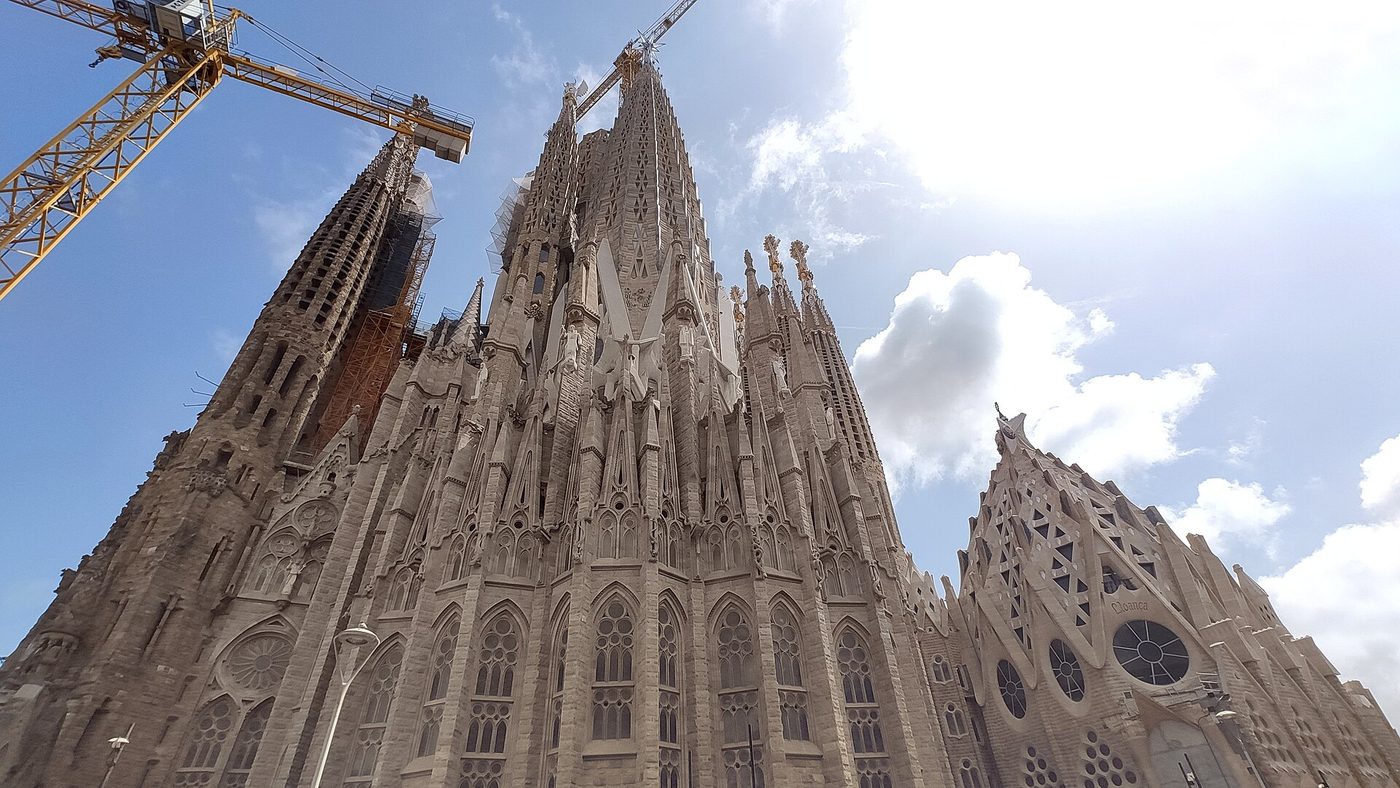
Part 1: Can I live in Spain permanently?
Yes. For Americans and other non-EU nationals, there are two routes to living in Spain permanently, and both start with a temporary residence permit.
- Permanent residence (long-term residence): after five years of continuous legal residence. This is the route most Americans use.
- Spanish citizenship: normally after ten years of legal residence, or after one year for the spouse of a Spanish citizen.
You cannot get there as a tourist. U.S. citizens can stay in the Schengen area without a visa for up to 90 days in any 180-day period, and that time does not count toward permanent residence. The usual path is a digital nomad visa, a non-lucrative visa, a work permit or a family permit, renewed until you reach five years. Your spouse and children can usually join you on the same permit and build up their own five years at the same time.
Part 2: What long-term residence gives you
Spanish residence permits start with a fixed term of one to three years, and each renewal requires you to meet the income, insurance and other requirements again. After five years of legal residence you can apply for long-term residence, which gives you:
- The right to live in Spain indefinitely, with no more permit renewals or income requirements.
- The right to work in Spain in any activity, as an employee or self-employed.
- The right to public support such as housing assistance on the same terms as Spanish citizens. (Social security benefits are already open on equal terms to foreign residents before permanent residence.)
- The ability to bring dependent parents aged 65 or over, including your spouse's parents.
The long-term residence card (TIE) is renewed every five years until you turn 30 and every ten years after that. The renewal is a formality; it does not put the status itself at risk.
Part 3: Requirements for permanent residency in Spain
| Requirement | National long-term residence | EU long-term residence |
|---|---|---|
| Legal residence | Five continuous years in Spain on a residence permit | Five continuous years in Spain on a residence permit |
| Student time | Treatment needs to be confirmed case by case | Counts at 50%, if you hold a residence permit when you apply |
| Absence limits | Up to 6 months at a time and 10 months in total over five years (18 months in total if for work, still up to 6 months at a time) | Same as the national permit |
| Income | No requirement | Stable, regular income for you and your dependants, set against Spain's IPREM benchmark |
| Health insurance | No requirement | Public or private insurance with an insurer authorized in Spain |
| Criminal record | None in Spain or in countries you lived in over the past five years | Same as the national permit |
| Valid status | A valid residence permit or a renewal in progress | Same as the national permit |
| Government fee | Modelo 790, code 052 | Modelo 790, code 052 |
1. Five years of continuous legal residence
You must have lived in Spain continuously for five years on a residence permit: digital nomad, non-lucrative, work, entrepreneur, family reunification or similar. For the EU permit, the regulation expressly counts time on a student stay at 50 percent, provided you hold a residence permit when you apply. How student time is treated for the national long-term permit needs to be confirmed in your individual case. Time as a tourist or without legal status does not count.
2. Absence limits
As a rule, absences from Spain over the five years may last no more than 6 months at a time and 10 months in total. Absences for work reasons are allowed up to 18 months in total, again with no single absence over 6 months. Absences for duly justified reasons beyond your control are assessed case by case. Trips home to the United States are fine, but a long posting abroad or a pattern of spending half of every year in the U.S. will break the requirement. Your travel is checked against your passport and flight records, so keep passport stamps and boarding passes.
3. Clean criminal record
You must have no criminal record in Spain or in the countries where you lived in the previous five years. If you spent the whole five years before applying in Spain, a criminal record certificate from your home country is usually not needed. If you lived in the United States or another country during those five years, you may be asked for that country's certificate.
4. Other requirements
You must hold a valid residence permit when you apply (or have a renewal in progress). The national long-term permit has no income requirement and no health insurance requirement. If you choose the EU long-term permit instead, you need proof of stable and regular resources for you and any dependants, which can come from your own funds or from work, and public or private health insurance from an insurer authorized to operate in Spain.
Part 4: How to apply and how long it takes
As a rule, apply in the two months before your current permit expires; applying within three months after expiry is also possible but may bring a fine. If you already meet the five-year requirement, you can apply at any time while your permit is valid. You can file online with a digital certificate or at the immigration office (Oficina de Extranjería) of your province. Typical documents include:
- Application form EX-11.
- Your passport (a copy of all pages).
- Your current residence card.
- Your municipal registration certificate (padrón).
- Proof of payment of the fee (Modelo 790, code 052).
- Where required, criminal record certificates from the countries where you lived in the previous five years, apostilled and with a sworn Spanish translation.
- For school-age children in your care, a report confirming their school enrollment.
- For the EU permit, proof of income and health insurance.
The legal decision period is three months, but in practice it ranges from a few weeks to six months depending on the region. If no decision is notified within the legal period, the application is treated as approved. Once approved, you have one month to apply in person at the police for your new TIE card, where your fingerprints are taken.
Timeline on the digital nomad visa
A digital nomad permit applied for inside Spain is valid for up to three years, and one two-year renewal brings you to five years, at which point you can apply for permanent residency. The earliest you can get there is five years after arrival. If you entered on a one-year consular visa, that year also counts.

Part 5: How you can lose permanent residency
- Spending 12 consecutive months or more outside the European Union, including in the United States.
- For the EU permit, six years away from Spain. Exceptional circumstances may prevent the loss.
- Obtaining long-term residence in another EU member state.
- Expulsion from Spain for a serious crime, or fraud in obtaining the permit.
If you need to spend a long period in the U.S., entering Spain once before the 12-month mark preserves your status. A lost status can be recovered through a separate application if certain conditions are met.
Plan your route to Spanish permanent residency
Which visa to start on and how to renew without breaking the five-year clock: our Barcelona team plans it with you from day one. The first 30-minute consultation is free.
Book a Free ConsultationPart 6: Applying before five years: the exceptions
The official Spanish immigration guidance on national long-term residence says that, besides people with five years of continuous residence, the following can also apply:
- People living in Spain who receive a contributory retirement pension from the Spanish social security system.
- People who receive a contributory disability pension from the Spanish social security system (permanent total incapacity for any work, or severe disability requiring constant care), or similar.
- People born in Spain who, on reaching adulthood, have lived legally in Spain continuously for the three years immediately before applying.
- People who were Spanish by origin and later lost Spanish nationality.
- People who were under the guardianship of a Spanish public body continuously for the five years immediately before reaching adulthood.
- People recognized as refugees, stateless persons or beneficiaries of subsidiary protection in Spain or another EU country.
- People who have made a significant contribution to Spain's economic, scientific or cultural development, or similar.
The pensions in this list are Spanish social security pensions. Receiving a pension from the United States or another country does not by itself make you eligible for the exception. The same goes for substantial savings: people living in Spain on a non-lucrative or digital nomad visa normally need the full five years.
Part 7: What changes after you get it, and what does not
Each renewal of a temporary permit means submitting fresh proof of money, insurance and other conditions. Permanent residence itself has no expiry date; only the card (TIE) is renewed, and the documents are just your passport, proof of fee payment and a photo. Apply for the card renewal in the two months before it expires. If you apply within three months after the expiry date, the validity of your old card is extended from the moment you apply. Applying late does not end your permanent residence, but it can bring a fine.
For family, you can bring dependent parents aged 65 or over only once you hold permanent residence. Family members you bring as a permanent resident receive long-term residence at their next permit after the first one.
Some things do not change. You cannot vote in national elections, and the municipal elections open to foreign residents are limited to nationals of countries that have an agreement with Spain, so check whether your country is covered. Your taxes depend on whether you live in Spain (for example, whether you spend more than 183 days a year there), not on whether you hold permanent residence.
Part 8: EU long-term residence
A separate permit, EU long-term residence (residencia de larga duración-UE), makes it easier to live and work in other EU member states. It requires the same five years plus proof of stable income and health insurance. Choose it if you may move within Europe later.
Part 9: Permanent residency vs Spanish citizenship
Spanish citizenship normally requires ten years of legal residence for Americans (two years for nationals of Latin American countries, the Philippines and a few others, and one year for the spouse of a Spanish citizen). You must pass the DELE A2 Spanish exam and the CCSE test on the constitution and culture, and the process takes one to three years from application to approval. Spain also formally requires applicants from outside Ibero-America to renounce their previous nationality, although the United States does not treat this declaration as a loss of U.S. citizenship. With family, assets and ties back home to consider, most Americans find that permanent residency delivers what they need: the right to live and work in Spain indefinitely with access to healthcare, without changing nationality. Think carefully before applying for citizenship.
Summary
Permanent residence in Spain comes after five years of continuous residence on a residence permit, with absences under 10 months in total and under 6 months at a time. Entering on a digital nomad or non-lucrative visa and applying after five years is the usual path, and the national permit needs no proof of income or insurance. After approval, avoid 12 consecutive months outside the EU and renew the card on time, and you can live in Spain indefinitely. Immigration filings move faster with a specialist: our Barcelona team plans the five-year path from the first visa through renewals to the long-term permit, including family applications.
Frequently asked questions
Can I live in Spain permanently?
Yes. Americans and other non-EU nationals can live in Spain permanently by first holding a residence permit, such as the digital nomad or non-lucrative visa, for five continuous years and then applying for long-term residence. Spanish citizenship is a second route, normally after ten years of legal residence, or one year for the spouse of a Spanish citizen. Time spent as a tourist does not count.
What are the requirements for permanent residency in Spain?
You need five years of continuous legal residence on a residence permit, a clean criminal record, and a valid permit or renewal in progress when you apply. Absences must stay within 6 months at a time and 10 months in total over the five years, or 18 months if they were for work. The national long-term permit has no income or health insurance requirement, while the EU long-term permit requires both.
How do I apply for Spanish permanent residence?
File form EX-11 at the immigration office of your province or online, in the two months before your current permit expires, or at any time if you already meet the five-year rule. Include your passport, proof of the fee payment on Modelo 790 code 052, and criminal record certificates where required. The legal decision period is three months, and silence counts as approval. You then apply for your new TIE card at the police within one month.
Does time on the digital nomad or non-lucrative visa count toward Spanish permanent residency?
Yes. Time on the digital nomad visa, the non-lucrative visa, work permits and family permits all counts in full. Time as a tourist does not count, and student stays count only toward the EU long-term permit, at half. On the digital nomad visa, a three-year permit plus one two-year renewal brings you to five years.
Is permanent residence in Spain really permanent?
The status does not expire, but the TIE card is renewed every five years until you turn 30 and every ten years after that. You lose the status after 12 consecutive months outside the European Union, if you obtain EU long-term residence in another member state, or, for the EU permit, after six years outside Spain. A lost status can be recovered through a separate procedure.
What is the difference between Spanish permanent residency and citizenship?
Permanent residency lets you live and work in Spain indefinitely with full access to healthcare, without changing nationality. Citizenship normally requires ten years of legal residence for Americans, the DELE A2 Spanish exam and the CCSE civics test. Spain also formally requires applicants from outside Ibero-America to renounce their previous nationality.
Photos: Américo Toledano / CC BY-SA 4.0 · Julian Lupyan / CC0 (Wikimedia Commons)
Talk to us about moving to Spain
From the digital nomad visa application to housing and company formation in the Canary Islands, our Barcelona-based team handles the whole process. The first 30-minute consultation is free.
Book a Free Consultation