When you plan a long stay in Spain, the first decision is which residence permit to enter on. That choice determines whether you can work, whether your family can join you, and how many years it takes to reach permanent residence. U.S. and Japanese citizens are both non-EU nationals and apply under the same rules. This guide compares the main permits by difficulty and work rights, then follows the road from renewal to permanent residence and citizenship.
Key takeaways
- Remote workers: the digital nomad visa is the most practical and relatively easy route
- People living on savings or passive income: the non-lucrative visa is the classic choice
- Founders: the entrepreneur visa or self-employed residence
- The investor residence program (Golden Visa) closed to new applicants in April 2025
- On any permit, five years of legal residence qualifies you for long-term residence, and ten years for citizenship
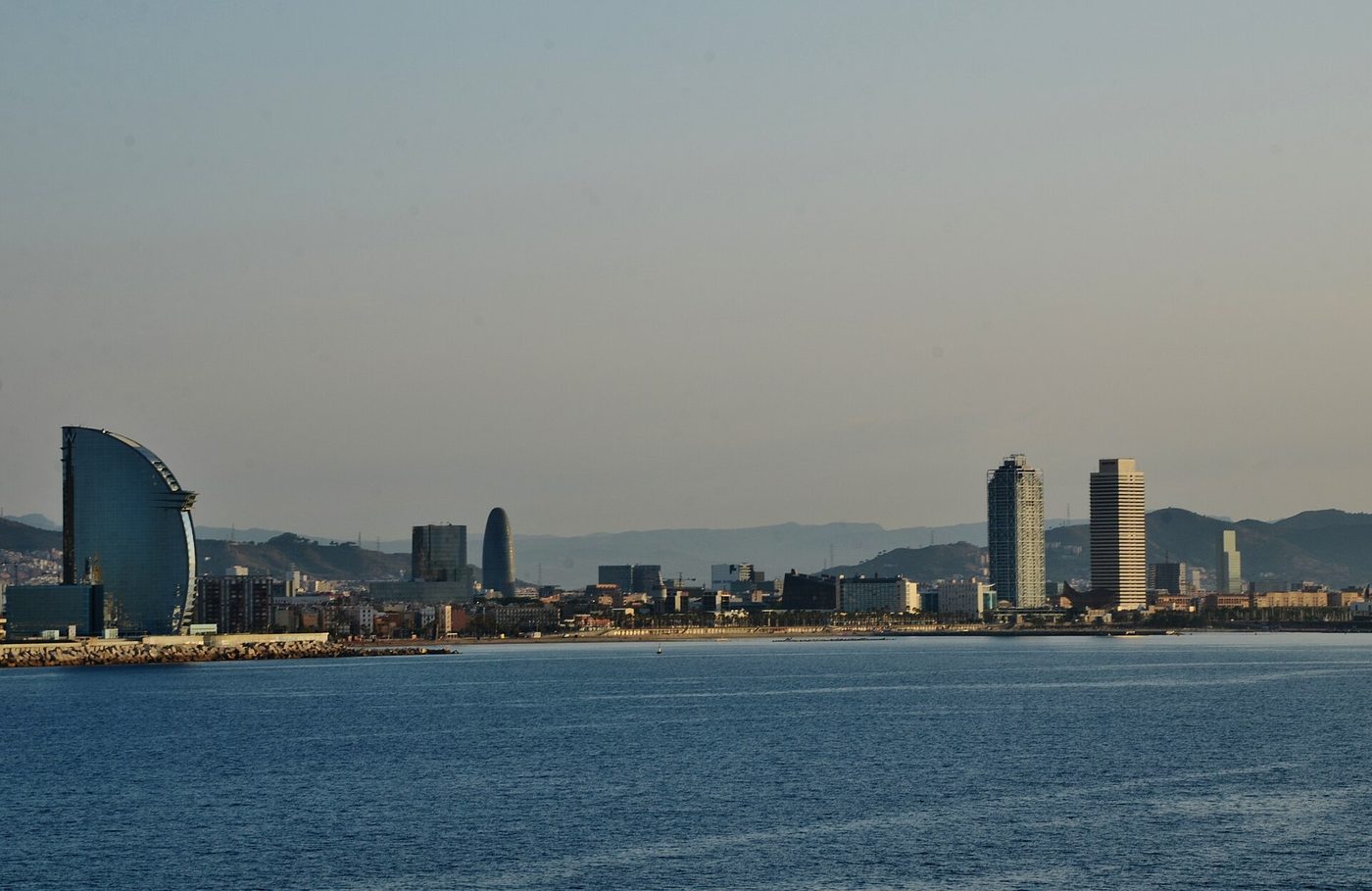
Maria Rosa Ferre / CC BY-SA 2.0 — Wikimedia Commons
Part 1: The main permits compared
1. Digital nomad visa (international teleworker)
For people who work remotely for employers or clients outside Spain. Created in 2023 and now one of the most-used routes.
- Who: employees of foreign companies, or freelancers with at least 80% foreign income
- Income: 200% of the minimum wage (€2,849 a month in 2026), plus additions for family
- Work: your foreign work continues; Spanish-source income capped at 20%
- Term: up to 3 years if applied for in Spain, 1 year via a consulate; renewable to 5 years
- Difficulty: medium — heavy paperwork, fast review
- Tax: eligible applicants may elect the Beckham flat 24% regime
2. Non-lucrative visa
For people who will not work in Spain and live on their own means: retirees, investors living on returns, or people taking a career break.
- Who: applicants with sufficient savings or stable passive income
- Funds: 400% of the IPREM index (€2,400 a month, €28,800 a year in 2026) plus 100% (€600 a month) per family member
- Work: no employment in Spain; remote work for foreign employers may be treated as work, so choose the digital nomad visa instead
- Term: 1 year, then renewals of 2 years
- Difficulty: medium — the source of funds must be explained convincingly
- Tax: you become a Spanish tax resident with worldwide income in scope
3. Entrepreneur visa
For founders launching an innovative business of general economic interest to Spain.
- Who: business plans with technological innovation or job creation
- Requirements: a favorable report on the plan, sufficient funds, relevant background
- Work: in your own venture
- Term: up to 3 years, renewable for 2
- Difficulty: high — restaurants, shops and similar businesses are rarely accepted as innovative
4. Self-employed residence
The general route for ordinary self-employment without the innovation test.
- Who: individual or small businesses in Spain
- Requirements: a viable business plan, licenses, funds and qualifications
- Work: in your own business
- Term: 1 year, then renewals of 2 years
- Difficulty: high — profitability is scrutinized and applications normally go through a consulate
5. Highly qualified professional
For managers and specialists hired by a Spanish company.
- Who: applicants with a Spanish employment contract meeting education and salary thresholds
- Requirements: the employer files; a minimum salary applies
- Work: for the sponsoring employer
- Term: up to 3 years, renewable for 2
- Difficulty: depends on the employer; not a route you pursue alone
6. Investor residence (Golden Visa)
Residence through real-estate or business investment ended for new applicants on 3 April 2025. Existing holders can renew while they maintain the investment. For anyone planning a move now, it is no longer an option.
7. Student visa
For language schools and universities. Some use it as a first step, but work rights are limited and only half of the time counts toward residence for permanent status.
Part 2: Americans versus Japanese applicants
The permits, requirements and reviews are identical. The differences are in obtaining documents: U.S. applicants use an FBI Identity History Summary, Japanese applicants a police certificate, both apostilled, and civil documents are legalized through each country's procedure.
Both the United States and Japan have social security totalization agreements with Spain, which matters for digital nomad applicants who want to stay in their home pension system. And on tax, both countries have treaties with Spain to relieve double taxation — but U.S. citizens keep their U.S. filing obligations wherever they live.
Part 3: Renewals
Renewals are filed from 60 days before expiry to 90 days after. Let the window pass and you risk irregular status, so track your dates carefully. At renewal you show that you still meet the original conditions: income and foreign employment for the digital nomad visa, funds for the non-lucrative visa, an active business for the entrepreneur visa.
Residence must be real. As a guide, spend more than six months of each year in Spain, and for long-term residence do not exceed ten months abroad in total over the five years. Plan long trips home with this in mind.
Part 4: The road to permanent residence
After five years of legal, continuous residence you can apply for long-term residence — Spain's permanent status. It has no expiry, allows any work regardless of the original permit, and the card itself is simply renewed every five years as an identity document rather than re-examined.
Years on any permit count toward the five, so the standard path is: three years on the digital nomad visa, a two-year renewal, then long-term residence. A separate EU long-term resident status makes moving to other member states easier.

Américo Toledano / CC BY-SA 4.0 — Wikimedia Commons
Part 5: Citizenship
Spanish citizenship normally requires ten years of legal residence; the two-year fast track for Latin American and some other nationals does not apply to U.S. or Japanese citizens. Applicants pass a Spanish language exam and a civic knowledge test.
Spain does not generally allow dual citizenship and asks new citizens to renounce their previous nationality. Japan does not permit dual nationality, so taking Spanish citizenship means losing Japanese citizenship. The United States tolerates dual nationality, but the Spanish renunciation oath should be discussed with a professional. For many people, long-term residence — which gives nearly all the rights of citizenship except voting — is a perfectly sensible destination in itself.
Part 6: A self-assessment checklist
- Will you work in Spain, or continue foreign work
- If foreign work, will your employer provide remote-work proof and cooperate on social security
- If not working, can you meet the funds requirement for several years
- If bringing family, do you meet the additional thresholds
- Are you aiming for permanent residence in five years, or a shorter stay
- How many months a year can you actually be in Spain
- Have you mapped home-country tax obligations
- Do you ultimately want citizenship, or is permanent residence enough
Part 7: Which permit fits whom
The digital nomad visa suits people who keep their job and change only their address: employees with cooperative employers, freelancers with a stable client base, and couples where the spouse wants to work in Spain. The non-lucrative visa suits retirees, people living on investments and those on a genuine break — not anyone who intends to work a little. The entrepreneur and self-employed routes suit people building a Spanish business; the entrepreneur visa favors tech and R&D, while conventional businesses go through the self-employed route with longer preparation. The highly qualified route follows a job offer rather than preceding one.
Part 8: Between renewal and permanence
Spain allows switching permits while resident — from non-lucrative to a work permit after finding a job, or from the digital nomad visa to the highly qualified route after joining a Spanish company — and prior legal years still count toward long-term residence. File the change before the old permit expires. Keep your own record of entries and exits, since the five-year count allows at most ten months abroad and no single absence over six months. Family members' permits depend on the main applicant's, so consider giving a spouse an independent status early, for example through their own employment.
Part 9: Common misconceptions
Entering as a tourist and sorting it out later
A tourist stay is capped at 90 days and almost no permit can be applied for during it. The digital nomad visa's in-country route is the notable exception; most other permits are filed at a consulate at home.
The Golden Visa still works
It closed in April 2025, yet outdated pages remain online. Anyone promising residence in exchange for a property purchase deserves caution.
Permanent residence lowers your taxes
Immigration status and tax residency are separate. Spend more than 183 days a year in Spain and you are a tax resident on worldwide income, whatever your permit.
Keeping Japanese citizenship alongside Spanish
Neither country allows it in the ordinary case. Taking Spanish citizenship means giving up Japanese nationality — a decision to weigh with family and future plans in mind.
Summary
Choose a permit by how you work and how you fund your life: the digital nomad visa for remote workers, the non-lucrative visa for those living on assets, the entrepreneur or self-employed routes for founders. The doors differ, but five years of legal residence leads them all to the same place. Pick your entry permit by thinking about who you will be in five years, not who you are today — a permit you cannot renew is a road that ends halfway.
Talk to us about moving to Spain
From the digital nomad visa application to housing and company formation in the Canary Islands, our Barcelona-based team handles the whole process. The first 30-minute consultation is free.
Book a Free Consultation