The Spain non-lucrative visa (visado de residencia no lucrativa) lets you live in Spain without working, which makes it the main route for Americans who want to retire in Spain, take a career break or live on savings and investment income. This guide covers the 2026 requirements, the income and savings thresholds, the documents, the consulate process, health insurance, taxes, and how the visa leads to permanent residency.
Key takeaways
- You must show passive income or savings of at least 400 percent of the IPREM: about €28,800 a year for the main applicant in 2026, plus about €7,200 for each dependant.
- You cannot work in Spain or for Spanish clients. Remote work for a foreign employer is a grey area, and the digital nomad visa is the safer choice if you plan to work.
- You apply at the Spanish consulate for your U.S. state, not in Spain. Processing usually takes one to three months.
- The first permit is for one year, renewable for two years twice, and you can apply for permanent residency after five years.
- You must spend more than 183 days a year in Spain to renew, which also makes you a Spanish tax resident.
Part 1: Who the non-lucrative visa is for
The non-lucrative visa is designed for people who can support themselves without working in Spain: retirees with pensions, investors living on dividends or rent, people on a sabbatical, and families moving with savings. It is popular with Americans who want to retire in Spain without buying property, because unlike the former golden visa, which ended on 3 April 2025, it has no investment requirement.
It is not a work visa. You may not take a job in Spain, run a Spanish business or invoice Spanish clients. Many consulates also refuse applicants who state that they will work remotely for a U.S. employer. If you intend to keep working remotely, apply for the Spain digital nomad visa instead; it allows remote work for foreign companies and leads to the same permanent residency.
Part 2: Financial requirements for 2026
The threshold is set as a multiple of the IPREM, Spain's public income index. For 2026 the requirement is 400 percent of the annual IPREM for the main applicant, about €28,800 a year or €2,400 a month, plus 100 percent of the IPREM, about €7,200 a year, for each family member. A couple therefore needs about €36,000 a year, and a family of four about €50,400.
Consulates accept several ways of proving the funds.
- Pension statements, including Social Security award letters.
- Bank statements showing savings that cover the amount for the first year, or often for the full initial period.
- Investment and brokerage statements showing dividends, interest or rental income.
- A combination of the above.
Each consulate has its own preferences. Some want to see the annual amount available as savings, some accept monthly income, and most want statements covering the previous six to twelve months. Check your consulate's current checklist before you prepare the file.
Part 3: Documents you will need
- National visa application form and the EX-01 residence application.
- Valid U.S. passport with at least one year of validity.
- Proof of funds as described above.
- Private health insurance from a company authorised in Spain, with full coverage, no co-payments and no waiting periods. Travel insurance does not qualify.
- Medical certificate stating that you have no diseases with serious public health implications, usually on a prescribed template.
- FBI background check with an apostille, issued within the last three to six months.
- Marriage and birth certificates with apostilles for dependants.
- Sworn translations into Spanish of all documents that are not in Spanish.
Apostilles and sworn translations take the longest, so start three to four months before your planned departure.

Part 4: The application process and timeline
1. Gather and apostille documents
Request the FBI check and the state apostilles first, then arrange the medical certificate and insurance, and finally the translations.
2. Book and attend the consulate appointment
You apply at the Spanish consulate that covers your state of residence. Appointments can be scarce in some cities, so book early. The consulate keeps your passport in many cases while the file is decided.
3. Wait for the decision
The legal processing time is up to three months. In practice most consulates decide in four to ten weeks.
4. Enter Spain and get your TIE
The visa is valid for entry within three months. Once in Spain, you register your address at the town hall (empadronamiento), apply for your foreigner identity card (TIE) at the police within 30 days, and open a bank account.
Part 5: Renewal, residency requirement and permanent residence
The first permit lasts one year. You then renew in Spain for two years, and again for two more years, each time showing the funds and insurance. To renew you must have lived in Spain for more than 183 days in each year. After five years of continuous legal residence you can apply for long-term residence, which has no financial requirement and allows you to work.
If you decide you want to work before then, you can switch to a work permit or self-employment permit from inside Spain after the first year, subject to the normal requirements.
Part 6: Taxes for non-lucrative visa holders
Because you must spend more than half the year in Spain, you become a Spanish tax resident and must declare your worldwide income. Under the U.S.-Spain tax treaty, U.S. Social Security benefits are generally taxable only in the United States, while private pensions, IRA and 401(k) withdrawals and investment income are generally taxed in Spain with a credit for U.S. tax paid. Spain also has a wealth tax that varies by region and a foreign asset declaration (Modelo 720) for assets abroad above €50,000 per category. Americans continue to file U.S. returns and FBAR reports. Plan your withdrawals and the timing of your move with a cross-border tax adviser before you arrive.
Part 7: Non-lucrative visa vs digital nomad visa
Choose the non-lucrative visa if you will not work at all and can show passive income or savings. Choose the digital nomad visa if you work remotely for a non-Spanish employer or clients; it requires about €2,849 a month of active income in 2026, can be applied for inside Spain for a three-year permit, and may qualify you for the Beckham law flat tax of 24 percent. Both lead to permanent residency after five years.
Summary
The Spain non-lucrative visa is the most direct way for Americans to retire in Spain or live there without working. You need about €28,800 a year for one person in 2026, full private health insurance, an apostilled FBI check and a consulate appointment in the United States. Spend more than 183 days a year in Spain to renew, plan for Spanish tax residency, and after five years you can apply for permanent residence. Our Barcelona team prepares the file with you, arranges insurance and translations, and handles the registrations after you arrive.
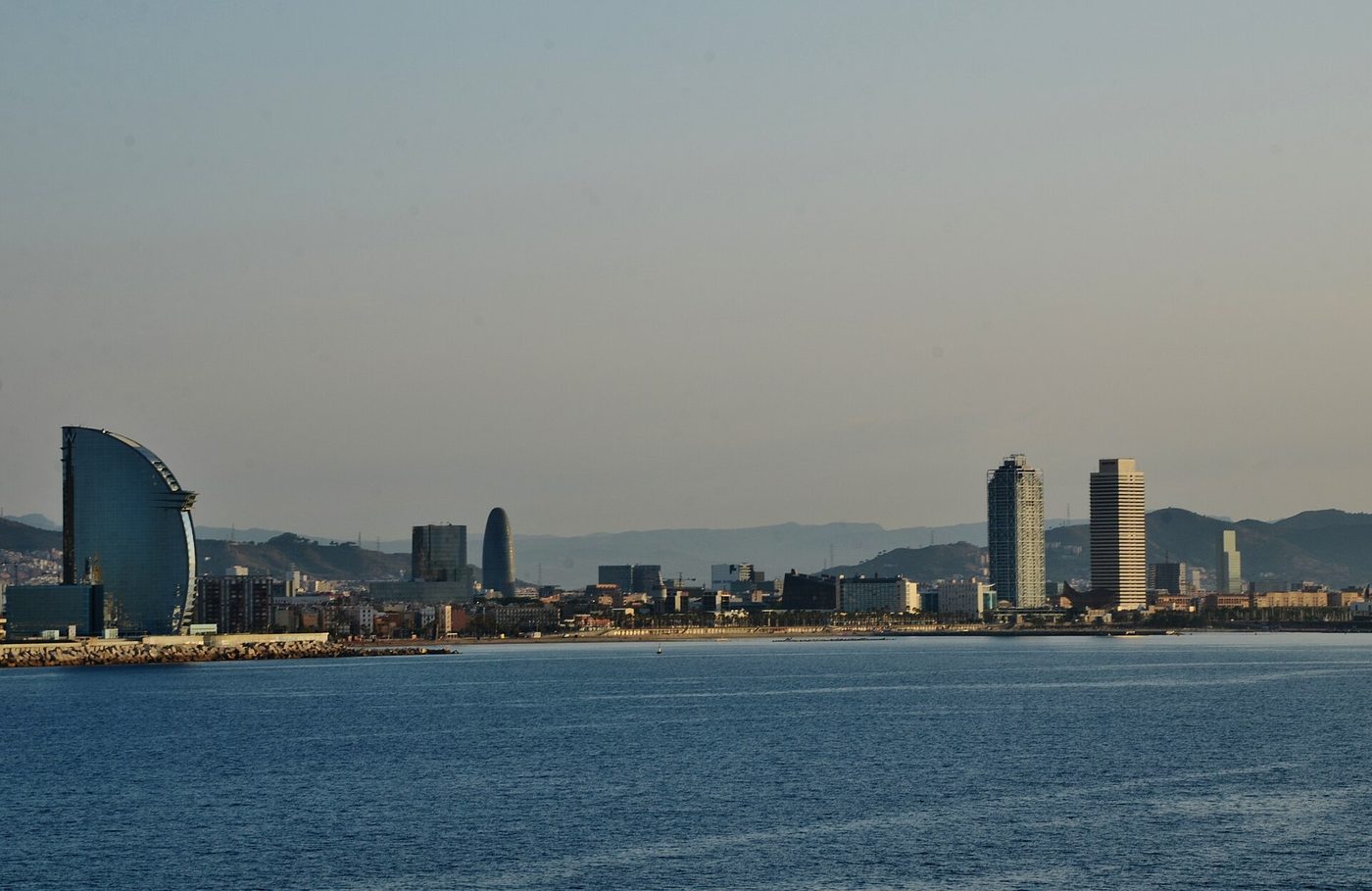
Photos: Maria Rosa Ferre / CC BY-SA 2.0 · Nicolas Vigier / CC0 (Wikimedia Commons)
Talk to us about moving to Spain
From the digital nomad visa application to housing and company formation in the Canary Islands, our Barcelona-based team handles the whole process. The first 30-minute consultation is free.
Book a Free Consultation